Image
EN_The_first_siRNA_PCSK9_inhibitor_Desktop
Image
EN_The_first_siRNA_PCSK9_inhibitor_Mobile

    LEQVIO® can be dosed twice per year and is administered by a healthcare provider 
     

    Dosing Regimen 
     

    Image
    Graph

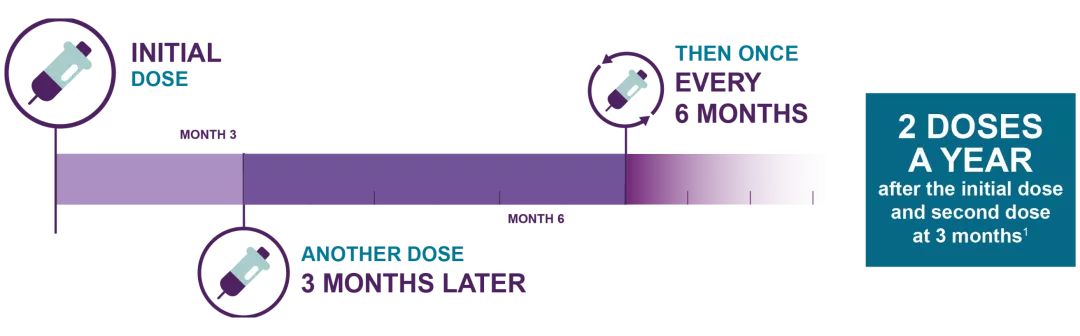
    The recommended dose of LEQVIO® is 284 mg administered by a healthcare provider as a single subcutaneous injection: initially, again at 3 months, and then once every 6 months.1 

    • Store between 15°C to 25°C. Do not freeze.

    Additional Administration Information

    Image
    Needles
    • LEQVIO® is administered via subcutaneous injection to the abdomen.1 


    Missed Dose
     

    If a dose of LEQVIO® is missed by:1

    <3 months 

    ≥3 months 

    • LEQVIO® should be administered as soon as possible and patient’s original dosing schedule should be maintained. 

    • A new dosing schedule should begin.

    • LEQVIO® should be administered as soon as possible, again at 3 months, followed by every 6 months. 

    Product Information


    Indications and Clinical Use:

    LEQVIO® (inclisiran injection) is indicated as an adjunct to lifestyle changes, including diet, to further reduce low-density lipoprotein cholesterol (LDL-C) level in adults with the following conditions who are on a maximally tolerated dose of a statin, with or without other LDL-C-lowering therapies: 

    • Non‐familial hypercholesterolemia with atherosclerotic cardiovascular disease (ASCVD), or 

    • Heterozygous familial hypercholesterolemia (HeFH).


    The effect of LEQVIO® on cardiovascular morbidity and mortality has not been determined. 

    Pediatrics (<18 years of age): No data are available to Health Canada; therefore, Health Canada has not authorized an indication for pediatric use. 

    Geriatrics (≥65 years of age): Of the 1,833 patients treated with inclisiran in the Phase 3  program, 981 (54%) patients were 65 years of age and older, while 239 (13%) patients were 75 years of age and older. Elderly subjects with heterozygous familial hypercholesterolemia were however less represented (22% were aged ≥65 years). No overall differences in safety or efficacy were observed between patients aged ≥65 years and younger patients. 


    Contraindications:

    • Hypersensitivity to LEQVIO® or to any ingredient in the formulation, including any non-medicinal ingredient, or component of the container. 

    • For lipid-lowering therapies such as statin or other lipid-lowering therapies used in combination with LEQVIO®, see the CONTRAINDICATIONS section of the Product Monographs for those medications.


    Relevant warnings and precautions:

    • Endocrine and metabolism: Disturbances in glucose metabolism homeostasis have been observed in patients treated with LEQVIO®. Periodic monitoring of patients at high risk of diabetes mellitus is recommended (e.g., metabolic syndrome). 

    • Hepatic/Biliary/Pancreatic: The safety and efficacy of LEQVIO® in patients with severe hepatic impairment have not been studied. Patients with active liver disease were excluded from the pivotal trials. Transaminase elevations have been observed in patients treated with LEQVIO®. Transaminase elevations generally occurred after 6 months following initiation of treatment. The effect was usually transient, although some patients experienced a sustained effect (i.e., for at least 2 consecutive visits). Patients with an active liver disease or unexplained elevations in ALT, AST, >3x the ULN, or total bilirubin >2x ULN, were excluded from the pivotal trials. Treatment should be discontinued for severe or clinically significant transaminase elevations. For resumption of dosing after interruption see DOSING AND ADMINISTRATION in the Product Monograph. 

    • Injection-site reactions: Injection-site reactions have been reported in approximately 8% of patients receiving LEQVIO® in the placebo-controlled trials. Symptoms included erythema, pain, pruritus, rash, bruising, or discolouration around the injection site. The severity of the reaction was predominantly mild. Monitor for reactions and manage clinically as needed. 

    • Renal: Due to limited data, the safety and efficacy of LEQVIO® in patients with severe renal impairment could not be established. The safety and efficacy of LEQVIO® in patients with end-stage renal disease with or without hemodialysis have not been studied. The pivotal trials only included patients with calculated glomerular filtration rate >30 mL/min and no current or planned renal dialysis or renal transplantation. 

    • Pregnant or breastfeeding women: There are no or limited amount of data from the use of inclisiran in pregnant women. Inclisiran should not be used during pregnancy. It is unknown if inclisiran is excreted in human milk; however, a risk to the suckling child cannot be excluded. A decision must be made whether to discontinue breastfeeding or to discontinue/abstain from inclisiran therapy taking into account the benefit of breastfeeding for the child and the benefit of therapy for the woman. 

    • Fertility: There are no data on the effect of LEQVIO® on human fertility. No effects on fertility were observed in female and male rats at doses equivalent to 20.4-fold and 44.1-fold based on area under the curve (AUC), compared to exposures observed at the maximum recommended human dose – MRHD. 


    For more information:

    Consult the Product Monograph at www.novartis.com/ca-en/Leqviomonograph for important information relating to adverse drug reactions, drug interactions and dosing information which have not been discussed in this piece. The Product Monograph is also available by calling 1-800-363-8883 or emailing [email protected].


    References

    1. LEQVIO® Product Monograph. Novartis Pharmaceuticals Canada Inc. 

    2. Data On File. First siRNA PCSK9i. Novartis Pharmaceuticals Inc., 2023.

    3. Data On File. Needle Size. Novartis Pharmaceuticals Inc., 2023.

    LEQVIO® is a registered trademark. 
    © Novartis Pharmaceuticals Canada Inc.


    February/2025 - 425307E


    Image
    logo leqvio en


    Related content


    thumbnail

    Article
    4 mins

    Mechanism of Action

    Leqvio®
    Article
    - 24 Jun 2024
    4 mins
    Leqvio®
    EN_vignette_Pharmacodynamics_ORION

    Article
    4 mins

    LEQVIO® Pharmacodynamics

    Leqvio®
    Article
    - 24 Jun 2024
    4 mins
    Leqvio®

    Dosing Regimens for PCSK9 Inhibitors1,3,4†‡
    Product

    Dosing & Administration Schedule 

    LEQVIO® 
    (inclisiran injection)

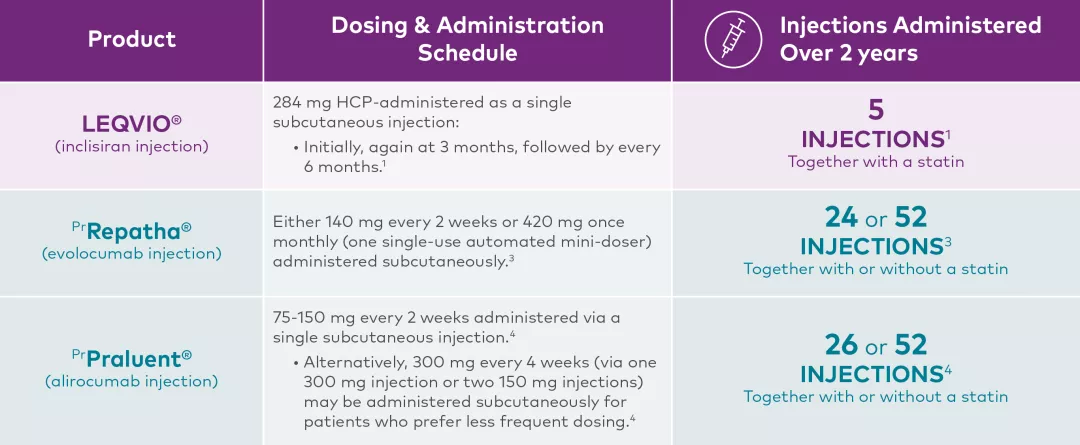
    284 mg HCP-administered as a single subcutaneous injection:
    initially, again at 3 months, followed by every 6 months.

    LEQVIO® is indicated as an adjunct to lifestyle changes, including diet, to further reduce LDL-C level in adults with the following conditions who are on a maximally tolerated dose of a statin, with or without other LDL-C-lowering therapies: 

    • Non-familial hypercholesterolemia with ASCVD, or 

    • Heterozygous familial hypercholesterolemia (HeFH).

    The effect of LEQVIO® on cardiovascular morbidity and mortality has not been determined. 

    PrRepatha®
    (evolocumab injection)

    Either 140 mg every 2 weeks or 420 mg once monthly (one single-use automated mini-doser) administered subcutaneously.3

    Prevention of Cardiovascular Events: Repatha® is indicated as an adjunct to diet and standard of care therapy (including moderate- to high-intensity statin therapy alone or in combination with other lipid-lowering therapy), to reduce the risk of MI, stroke, and coronary revascularization in adult patients with ASCVD by further lowering low-density lipoprotein cholesterol (LDL-C) levels.3

    Primary Hyperlipidemia (including HeFH): Repatha® is indicated for the reduction of elevated LDL-C in adult patients with primary hyperlipidemia (including HeFH):3 

    • as an adjunct to diet and statin therapy, with or without other lipid-lowering therapies, in patients who require additional lowering of LDL-C 

    • as an adjunct to diet, alone or in combination with non-statin lipid-lowering therapies, in patients for whom a statin is contraindicated 
 

    Pediatric Patients with Heterozygous Familial Hypercholesterolemia: 
    Repatha® is indicated as an adjunct to diet and other LDL-C-lowering therapies (e.g., statins, ezetimibe) in pediatric patients aged 10 years and older with HeFH who require additional lowering of LDL-C.3 
     
    HoFH: Repatha® is indicated as an adjunct to diet and other LDL-lowering therapies (e.g., statins, ezetimibe, LDL apheresis) in adult patients and adolescent patients aged 10 years and over with HoFH who require additional lowering of LDL-C.

    PrPraluent® 

    (alirocumab injection)

    75-150 mg every 2 weeks administered via a single subcutaneous injection.
    Alternatively, 300 mg every 4 weeks (via two 150 mg injections) may be administered subcutaneously for patients who prefer less frequent dosing.

    Prevention of Cardiovascular Events: Praluent® is indicated in combination with a maximum tolerated dose of a statin, with or without other lipid-lowering therapies, to reduce the risk of MI, ischemic stroke, and unstable angina requiring hospitalization in adults with established CVD.
     
    Primary Hyperlipidemia: Praluent® (alirocumab injection) is indicated for the reduction of LDL-C in adults with primary hyperlipidemia (heterozygous familial and non-familial):

    • as an adjunct to diet and statin therapy, with or without other lipid-lowering therapies 

    • as an adjunct to diet, as monotherapy or in combination with other non-statin lipid-modifying therapies, in patients for whom a statin is contraindicated.

    Please refer to the respective Product Monographs for complete posology. 

    HCP=healthcare provider; HeFH=heterozygous familial hypercholesterolemia; LDL-C=low-density lipoprotein cholesterol; mAb=monoclonal antibody; PCSK9=proprotein convertase subtilisin/kexin type 9; siRNA=small interfering ribonucleic acid. 

    † Clinical significance has not been established. 
    ‡ Comparative clinical significance is unknown. 


    Indications and Clinical Use:

    LEQVIO® (inclisiran injection) is indicated as an adjunct to lifestyle changes, including diet, to further reduce low-density lipoprotein cholesterol (LDL-C) level in adults with the following conditions who are on a maximally tolerated dose of a statin, with or without other LDL-C-lowering therapies: 

    • Non‐familial hypercholesterolemia with atherosclerotic cardiovascular disease (ASCVD), or 

    • Heterozygous familial hypercholesterolemia (HeFH).


    The effect of LEQVIO® on cardiovascular morbidity and mortality has not been determined. 

    Pediatrics (<18 years of age): No data are available to Health Canada; therefore, Health Canada has not authorized an indication for pediatric use. 

    Geriatrics (≥65 years of age): Of the 1,833 patients treated with inclisiran in the Phase 3  program, 981 (54%) patients were 65 years of age and older, while 239 (13%) patients were 75 years of age and older. Elderly subjects with heterozygous familial hypercholesterolemia were however less represented (22% were aged ≥65 years). No overall differences in safety or efficacy were observed between patients aged ≥65 years and younger patients. 


    Contraindications:

    • Hypersensitivity to LEQVIO® or to any ingredient in the formulation, including any non-medicinal ingredient, or component of the container. 

    • For lipid-lowering therapies such as statin or other lipid-lowering therapies used in combination with LEQVIO®, see the CONTRAINDICATIONS section of the Product Monographs for those medications.


    Relevant warnings and precautions:

    • Endocrine and metabolism: Disturbances in glucose metabolism homeostasis have been observed in patients treated with LEQVIO®. Periodic monitoring of patients at high risk of diabetes mellitus is recommended (e.g., metabolic syndrome). 

    • Hepatic/Biliary/Pancreatic: The safety and efficacy of LEQVIO® in patients with severe hepatic impairment have not been studied. Patients with active liver disease were excluded from the pivotal trials. Transaminase elevations have been observed in patients treated with LEQVIO®. Transaminase elevations generally occurred after 6 months following initiation of treatment. The effect was usually transient, although some patients experienced a sustained effect (i.e., for at least 2 consecutive visits). Patients with an active liver disease or unexplained elevations in ALT, AST, >3x the ULN, or total bilirubin >2x ULN, were excluded from the pivotal trials. Treatment should be discontinued for severe or clinically significant transaminase elevations. For resumption of dosing after interruption see DOSING AND ADMINISTRATION in the Product Monograph. 

    • Injection-site reactions: Injection-site reactions have been reported in approximately 8% of patients receiving LEQVIO® in the placebo-controlled trials. Symptoms included erythema, pain, pruritus, rash, bruising, or discolouration around the injection site. The severity of the reaction was predominantly mild. Monitor for reactions and manage clinically as needed. 

    • Renal: Due to limited data, the safety and efficacy of LEQVIO® in patients with severe renal impairment could not be established. The safety and efficacy of LEQVIO® in patients with end-stage renal disease with or without hemodialysis have not been studied. The pivotal trials only included patients with calculated glomerular filtration rate >30 mL/min and no current or planned renal dialysis or renal transplantation. 

    • Pregnant or breastfeeding women: There are no or limited amount of data from the use of inclisiran in pregnant women. Inclisiran should not be used during pregnancy. It is unknown if inclisiran is excreted in human milk; however, a risk to the suckling child cannot be excluded. A decision must be made whether to discontinue breastfeeding or to discontinue/abstain from inclisiran therapy taking into account the benefit of breastfeeding for the child and the benefit of therapy for the woman. 

    • Fertility: There are no data on the effect of LEQVIO® on human fertility. No effects on fertility were observed in female and male rats at doses equivalent to 20.4-fold and 44.1-fold based on area under the curve (AUC), compared to exposures observed at the maximum recommended human dose – MRHD. 


    For more information:

    Consult the Product Monograph at www.novartis.com/ca-en/Leqviomonograph for important information relating to adverse drug reactions, drug interactions and dosing information which have not been discussed in this piece. The Product Monograph is also available by calling 1-800-363-8883 or emailing [email protected].


    References

    1. LEQVIO® Product Monograph. Novartis Pharmaceuticals Canada Inc. 

    2. Data On File. First siRNA PCSK9i. Novartis Pharmaceuticals Inc., 2023.

    3. Repatha® (evolocumab injection) Product Monograph. September 2023.

    4. Praluent® (alirocumab injection) Product Monograph. May 2024.

    LEQVIO® is a registered trademark. 
    © Novartis Pharmaceuticals Canada Inc.


    February/2025 - 425307E


    Image
    logo leqvio en


    Related content


    thumbnail

    Article
    4 mins

    Mechanism of Action

    Leqvio®
    Article
    - 24 Jun 2024
    4 mins
    Leqvio®
    EN_vignette_Pharmacodynamics_ORION

    Article
    4 mins

    LEQVIO® Pharmacodynamics

    LEQVIO®
    Article
    - 24 Jun 2024
    4 mins
    LEQVIO®

    Comparative Dosing Chart  
     

    Know the Dosing Regimens for PCSK9 Inhibitors1,3,4†‡ 
     

    Image
    table


    Obtain this Comparative Dosing Chart for your clinic


    Image
    thumnbail

    PCSK9 inhibitor Comparative Dosing Chart

    PDF

    HeFH=heterozygous familial hypercholesterolemia; LDL-C=low-density lipoprotein cholesterol; mAb=monoclonal antibody; PCSK9=proprotein convertase subtilisin/kexin type 9; siRNA=small interfering ribonucleic acid. 

    † Clinical significance has not been established. 
    ‡ Comparative clinical significance is unknown. 


    Indications and Clinical Use:

    LEQVIO® (inclisiran injection) is indicated as an adjunct to lifestyle changes, including diet, to further reduce low-density lipoprotein cholesterol (LDL-C) level in adults with the following conditions who are on a maximally tolerated dose of a statin, with or without other LDL-C-lowering therapies: 

    • Non‐familial hypercholesterolemia with atherosclerotic cardiovascular disease (ASCVD), or 

    • Heterozygous familial hypercholesterolemia (HeFH).


    The effect of LEQVIO® on cardiovascular morbidity and mortality has not been determined. 

    Pediatrics (<18 years of age): No data are available to Health Canada; therefore, Health Canada has not authorized an indication for pediatric use. 

    Geriatrics (≥65 years of age): Of the 1,833 patients treated with inclisiran in the Phase 3  program, 981 (54%) patients were 65 years of age and older, while 239 (13%) patients were 75 years of age and older. Elderly subjects with heterozygous familial hypercholesterolemia were however less represented (22% were aged ≥65 years). No overall differences in safety or efficacy were observed between patients aged ≥65 years and younger patients. 


    Contraindications:

    • Hypersensitivity to LEQVIO® or to any ingredient in the formulation, including any non-medicinal ingredient, or component of the container. 

    • For lipid-lowering therapies such as statin or other lipid-lowering therapies used in combination with LEQVIO®, see the CONTRAINDICATIONS section of the Product Monographs for those medications.


    Relevant warnings and precautions:

    • Endocrine and metabolism: Disturbances in glucose metabolism homeostasis have been observed in patients treated with LEQVIO®. Periodic monitoring of patients at high risk of diabetes mellitus is recommended (e.g., metabolic syndrome). 

    • Hepatic/Biliary/Pancreatic: The safety and efficacy of LEQVIO® in patients with severe hepatic impairment have not been studied. Patients with active liver disease were excluded from the pivotal trials. Transaminase elevations have been observed in patients treated with LEQVIO®. Transaminase elevations generally occurred after 6 months following initiation of treatment. The effect was usually transient, although some patients experienced a sustained effect (i.e., for at least 2 consecutive visits). Patients with an active liver disease or unexplained elevations in ALT, AST, >3x the ULN, or total bilirubin >2x ULN, were excluded from the pivotal trials. Treatment should be discontinued for severe or clinically significant transaminase elevations. For resumption of dosing after interruption see DOSING AND ADMINISTRATION in the Product Monograph. 

    • Injection-site reactions: Injection-site reactions have been reported in approximately 8% of patients receiving LEQVIO® in the placebo-controlled trials. Symptoms included erythema, pain, pruritus, rash, bruising, or discolouration around the injection site. The severity of the reaction was predominantly mild. Monitor for reactions and manage clinically as needed. 

    • Renal: Due to limited data, the safety and efficacy of LEQVIO® in patients with severe renal impairment could not be established. The safety and efficacy of LEQVIO® in patients with end-stage renal disease with or without hemodialysis have not been studied. The pivotal trials only included patients with calculated glomerular filtration rate >30 mL/min and no current or planned renal dialysis or renal transplantation. 

    • Pregnant or breastfeeding women: There are no or limited amount of data from the use of inclisiran in pregnant women. Inclisiran should not be used during pregnancy. It is unknown if inclisiran is excreted in human milk; however, a risk to the suckling child cannot be excluded. A decision must be made whether to discontinue breastfeeding or to discontinue/abstain from inclisiran therapy taking into account the benefit of breastfeeding for the child and the benefit of therapy for the woman. 

    • Fertility: There are no data on the effect of LEQVIO® on human fertility. No effects on fertility were observed in female and male rats at doses equivalent to 20.4-fold and 44.1-fold based on area under the curve (AUC), compared to exposures observed at the maximum recommended human dose – MRHD. 


    For more information:

    Consult the Product Monograph at www.novartis.com/ca-en/Leqviomonograph for important information relating to adverse drug reactions, drug interactions and dosing information which have not been discussed in this piece. The Product Monograph is also available by calling 1-800-363-8883 or emailing [email protected].


    References

    1. LEQVIO® Product Monograph. Novartis Pharmaceuticals Canada Inc. 

    2. Data On File. First siRNA PCSK9i. Novartis Pharmaceuticals Inc., 2023.

    3. Repatha® (evolocumab injection) Product Monograph. September 2023.

    4. Praluent® (alirocumab injection) Product Monograph. May 2024.

    LEQVIO® is a registered trademark. 
    © Novartis Pharmaceuticals Canada Inc.


    February/2025 - 425307E


    Image
    logo leqvio en


    Related content


    thumbnail

    Article
    4 mins

    Mechanism of Action

    Leqvio®
    Article
    - 24 Jun 2024
    4 mins
    Leqvio®
    EN_vignette_Pharmacodynamics_ORION

    Article
    4 mins

    LEQVIO® Pharmacodynamics

    LEQVIO®
    Article
    - 24 Jun 2024
    4 mins
    LEQVIO®